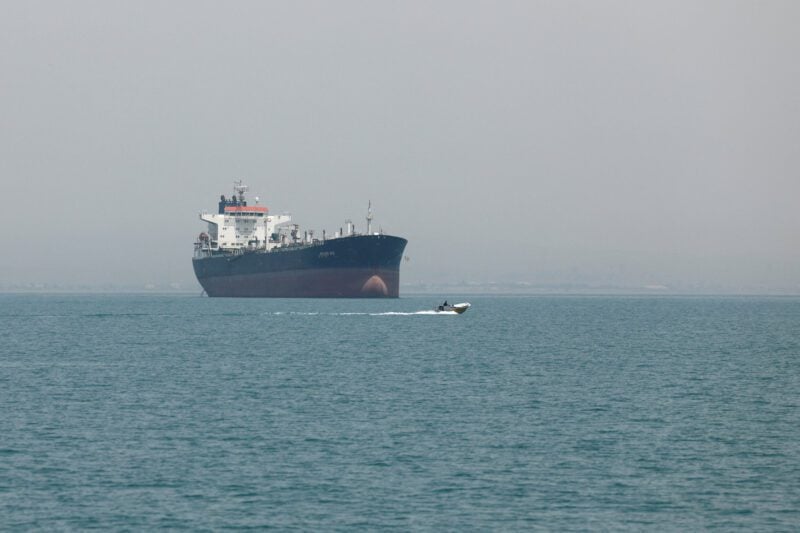
Escalating attacks around the Strait of Hormuz are exposing weaknesses in merchant shipping’s emergency arrangements, according to an analysis by gCaptain, as tanker damage mounts and oil pollution prompts beach closures in the United Arab Emirates. The report argues that safety systems developed primarily for accidents may struggle when weapons damage several critical systems at once.
Citing Reuters reporting on Washington Institute for Near East Policy data, gCaptain said October had recorded 28 confirmed and reported attacks by 23 October, bringing the total since the US-Israeli war with Iran began on 28 February to 113. October was the worst month in the institute’s maritime incident records, which began in 2017. Separate IMO and UKMTO totals differ because their geographical coverage and reporting methods vary.
A Reuters review of IMO and MarineTraffic information found that more than 30 very large crude carriers had suffered damage, including 11 in October, representing about 3.5% of the global VLCC fleet. Commercial incentives nevertheless remained strong: Reuters reported daily freight rates exceeding $1 million, while IMF PortWatch counted just four Hormuz transits on 18 October, compared with a pre-war daily average of roughly 85.
The UAE’s Ministry of Climate Change and Environment said on 23 October that response teams were containing oil escaping from an offshore tanker. Beach restrictions followed in Umm Al Quwain, Sharjah and Ras Al Khaimah. The ministry neither identified the ship nor established the cause. According to gCaptain, international maritime agencies identified the vessel as Gem No.2, which was hit in a suspected drone attack on 9 or 10 October; 22 Indian seafarers were rescued.
The analysis highlighted the risk that a single strike could breach fire barriers, damage cargo and fuel lines, and disable electrical cables or firefighting systems. Emergency power arrangements separated from machinery spaces to withstand accidental fires may remain vulnerable to blast damage. Meanwhile, company procedures often address fire, flooding and blackout individually rather than as concurrent emergencies.
Rather than advocating military-style protection for tankers, gCaptain called for combined-emergency drills and technical reviews of emergency cabling, fire pumps and fuel-isolation controls. It also urged operators to integrate pollution response, salvage availability and abandonment decisions into their plans, alongside fatigue management and clear crew briefings. Flag states and classification societies could support those efforts by sharing anonymised evidence of equipment failures and survival during attacks.