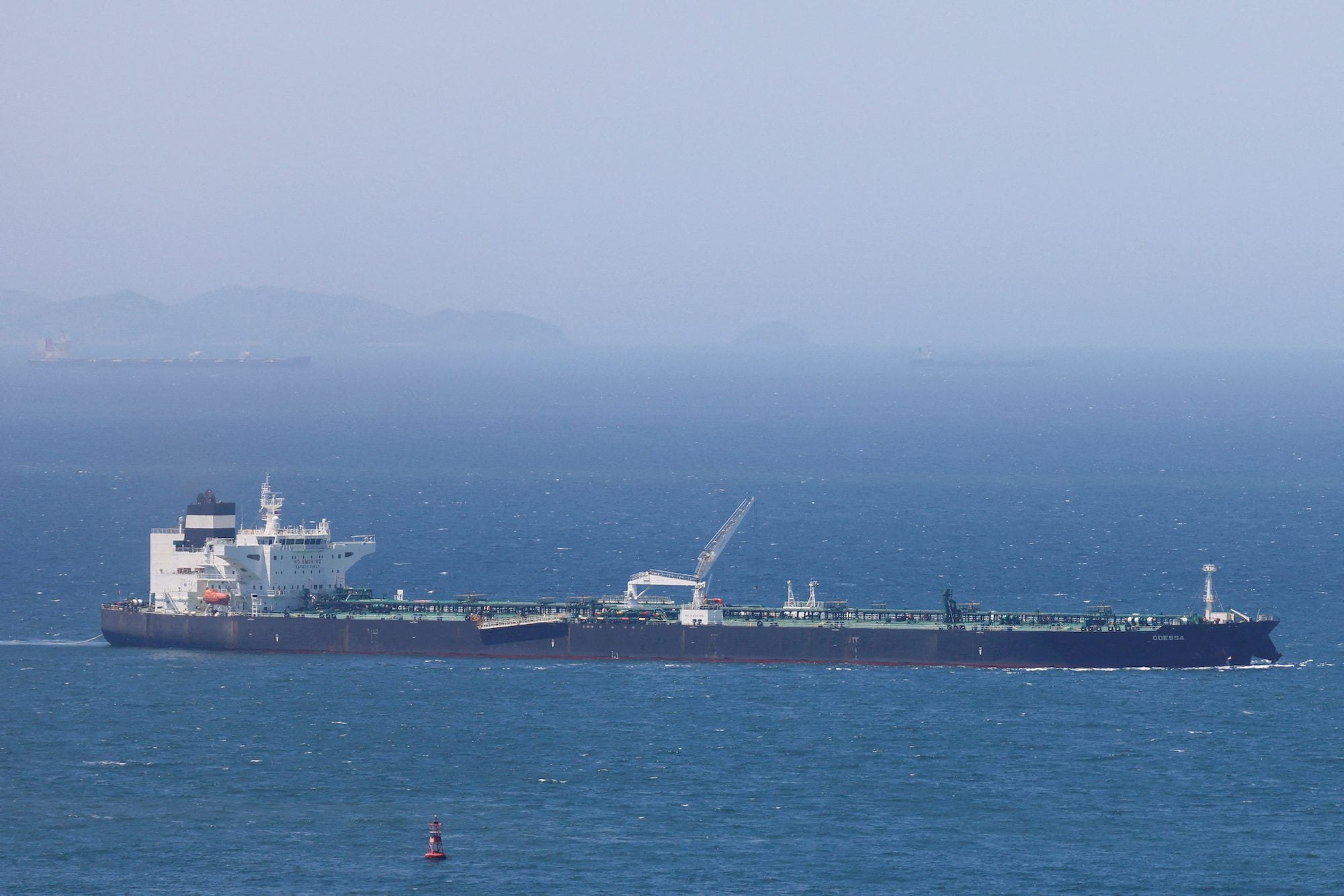
Shipping crude from the Middle East Gulf to Asia cost more than $37 a barrel by mid-October, more than five times the prewar level, according to International Energy Agency findings reported by gCaptain. Freight costs have risen sharply even as regional exports have recovered, with alternative routes and tanker transfers sustaining deliveries despite escalating Iranian attacks around the Strait of Hormuz.
The IEA said tanker rates set records in September before rising further into October. For a very large crude carrier carrying 2 million barrels, the reported per-barrel rate puts freight alone above $74 million for one cargo. Before the conflict, the equivalent shipping bill was below $15 million, according to gCaptain.
Export volumes nevertheless exceeded their prewar benchmark. gCaptain cited a Wall Street Journal report drawing on Kpler vessel-tracking data, which put Middle East oil shipments at an average of more than 24 million barrels a day in the week ending 18 October. That compared with a prewar average of 23.3 million barrels a day. The recovery relies on greater pipeline use, short tanker voyages through Hormuz and ship-to-ship transfers in the Gulf of Oman, with US military protection supporting the network.
The balance between those routes has changed substantially. Kpler figures cited by gCaptain show that 40% of regional crude exports avoided Hormuz in September, up from roughly 17% before the war, as Saudi Arabia and the United Arab Emirates increased pipeline deliveries to terminals outside the strait. Tankers still crossing Hormuz often use a route close to Oman’s coast before handing cargoes to other vessels. Flows through the strait, including offshore transfers, remain at about 82% of prewar levels.
Security risks continue to carry a financial premium. The Wall Street Journal, citing maritime security reports, recorded roughly 30 vessel attacks so far in October. Kpler estimates that traders reselling Iraqi crude can earn an additional $20 a barrel compared with before the war, while some seafarers are being offered substantial hazard bonuses. The export recovery therefore masks a much more expensive transport system rather than a return to prewar shipping conditions.