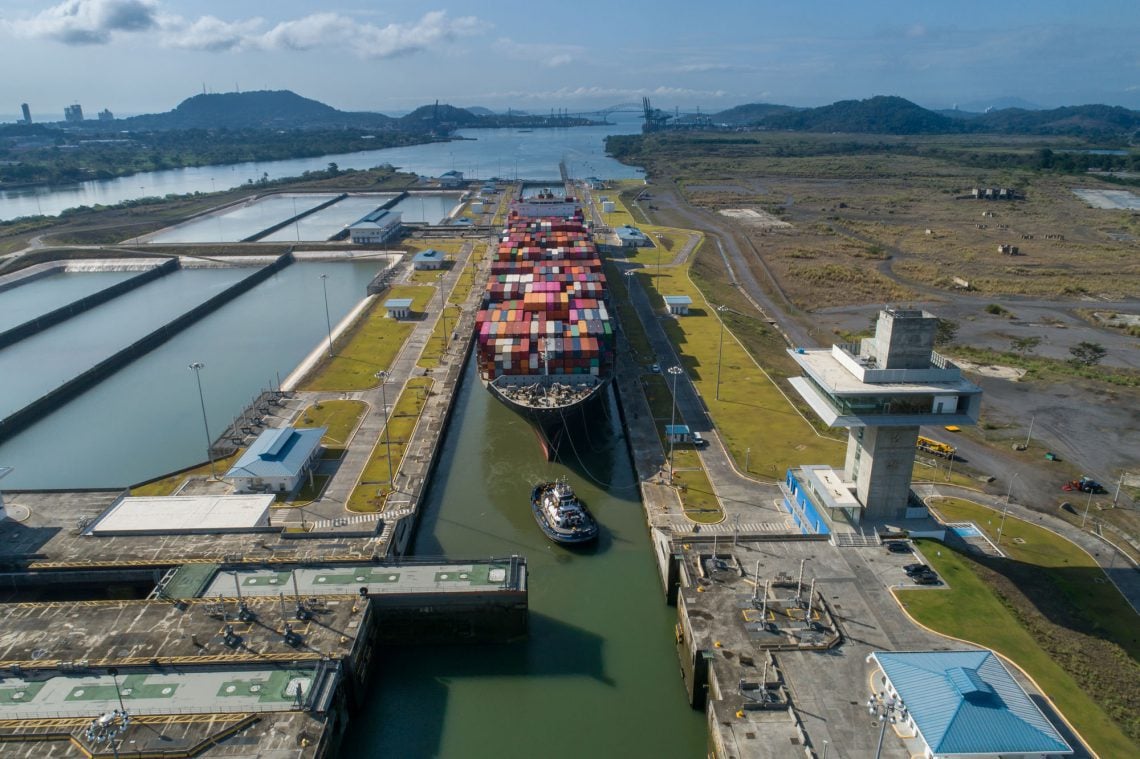
Panama Canal vessel transits increased by 4.1% in fiscal 2026, with energy carriers and containerships supporting growth despite continuing uncertainty over freshwater supplies. According to gCaptain, citing results released by the Panama Canal Authority, the waterway recorded 13,951 transits in the year to 30 September, against 13,404 a year earlier.
Measured tonnage rose faster than vessel numbers, increasing 6.5% to 521 million Panama Canal Universal Measurement System (PC/UMS) tons from 489.2 million in fiscal 2025. Larger ships remained a major contributor: vessels passing through the Neopanamax locks represented 52.2% of total tonnage, while tonnage using those locks grew 8.2%. The authority linked the increase to energy shipping demand, container traffic and changes in international trade patterns.
Revenue reached approximately $6.6 billion, a rise of 16.6%, although the financial figures are unaudited, gCaptain reported. The canal maintained its maximum authorised draught at 50 feet throughout the fiscal year’s dry season. During a conference call hosted by Bank of America Merrill Lynch, administrator Ilya Espino de Marotta presented the waterway as a dependable route for international maritime trade despite its water-management challenges.
The authority also announced the immediate restoration of its Last-Minute Reservation service for Panamax vessels. This lets ships without reservations obtain a transit slot when capacity becomes available, but offering that capacity remains at the canal’s discretion. Rainfall approaching average levels and water-conservation measures supported the decision, following restrictions introduced earlier in the year because of below-normal rainfall. Daily booking capacity was also recently raised to 33 slots, including 10 Neopanamax slots, effective 15 October.
Water security nevertheless remains an operational concern. The canal has cautioned that a persistent deficit could prompt further adjustments, especially if the developing El Niño intensifies. Executives also discussed the proposed Río Indio Lake Project as a key element of securing future freshwater supplies. It sits within the Vision 2025–2035 development plan, intended to improve resilience and preserve the canal’s competitiveness as shipping patterns change.