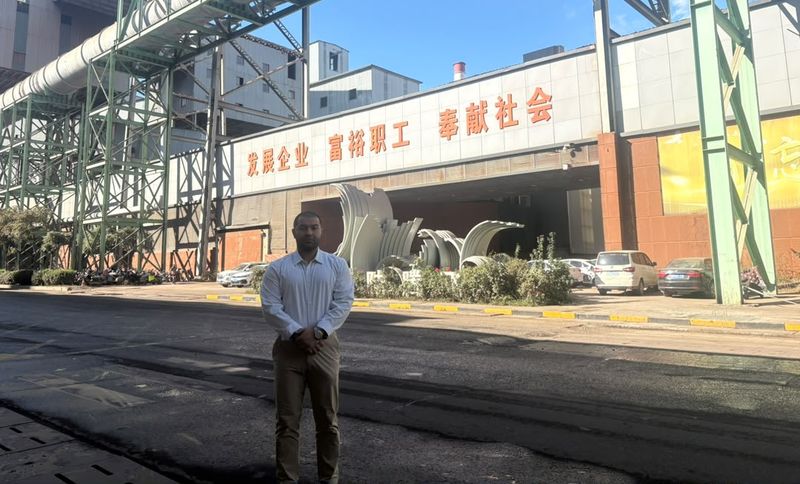
Alkavex, the steel trading business of Alkagesta, has undertaken a series of commercial visits in Tangshan and Tianjin, China, meeting steel producers, traders, processors and industry representatives. In a company update, Alkagesta described the engagements as part of its continuing business development work in China, with discussions covering the industrial and commercial networks that support its steel sourcing and trading operations.
Bayram Bayramli, Alkagesta’s China Business Developer, led the visits. According to the company, the meetings offered first-hand insight into manufacturers’ production capabilities, the infrastructure supporting their supply chains and opportunities for international trade. The programme brought Alkavex into contact with several types of industry participants, including steel manufacturing and processing businesses as well as associations representing the sector.
Alkagesta described Tangshan and Tianjin as a major Chinese corridor for both steel production and exports. It said the engagements strengthened relationships supporting Alkavex’s regional sourcing and trading activities. The commercial emphasis of the visit was therefore on the Chinese supply side of the business: understanding production, reviewing supply-chain capabilities and developing contacts within the steel industry.
Based in Malta, Alkavex is a joint venture between Alkagesta and the French steel trading company Navex SAS. Alkagesta owns the majority stake. The venture’s initial product focus is on semi-finished and finished steel, sourced principally from China. That sourcing strategy forms the background to the meetings in Tangshan and Tianjin and their focus on producers, processors and trading counterparties.
The venture serves customers in West and East Africa, where Alkagesta says it supports rising steel demand associated with construction, manufacturing and infrastructure development. Its business combines market knowledge with logistics capabilities and trade finance solutions. The company update places the Chinese supplier visits within that wider commercial model, linking its sourcing relationships in China with the steel requirements of customers across those African markets.